Key details
What a Camino Real is
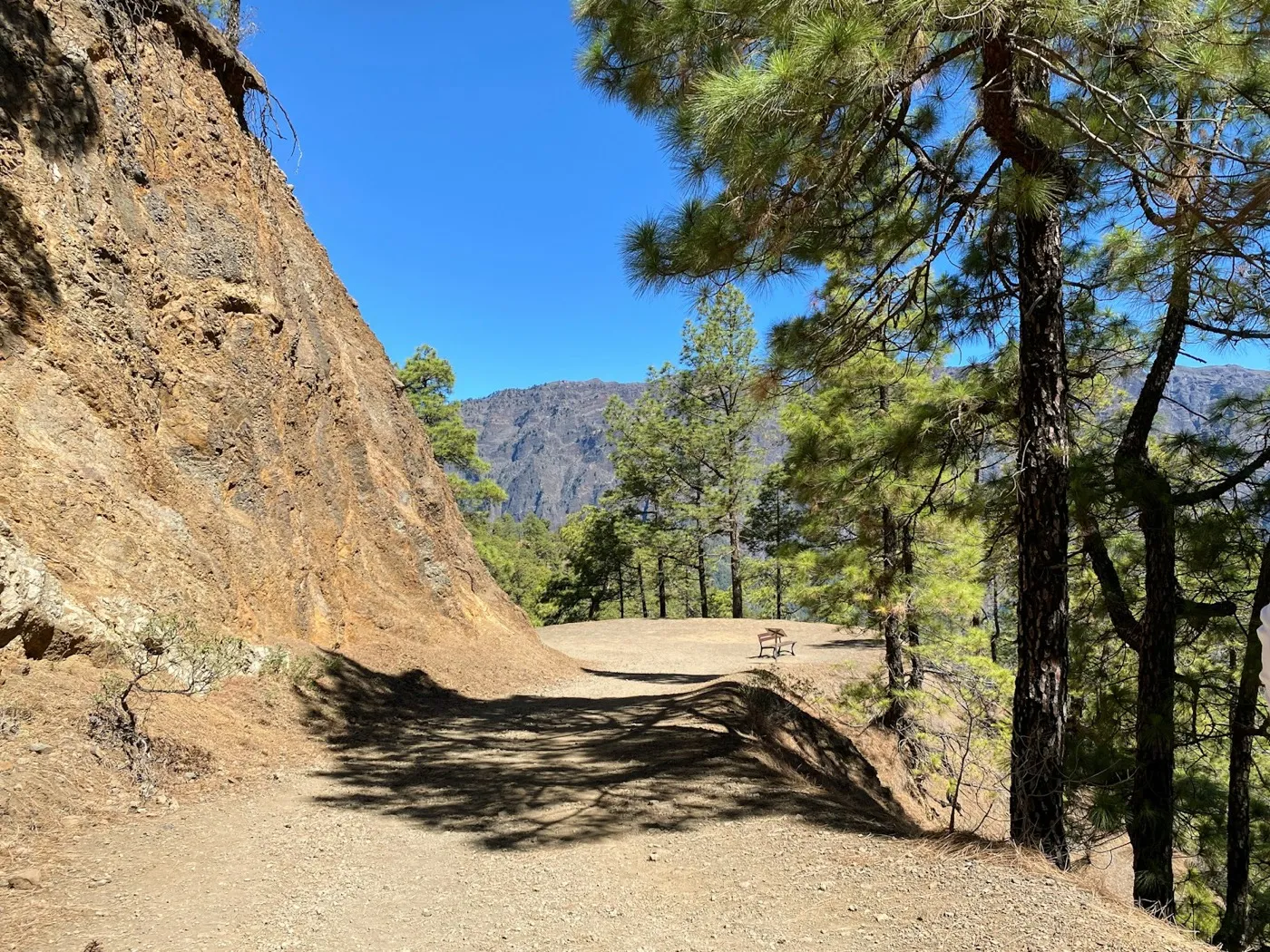
Before there were roads, Tenerife was crossed on foot along the Caminos Reales: cobbled routes linking the villages, used by everyone and everything — people, livestock and goods. Many are still there, and walking them is the most direct way to understand what the island was like when getting from one valley to the next took a whole day.
The route takes between three and a half and four hours, with 352 metres of ascent. There are no technical or exposed sections, but it is a proper walk: the operator rates it 3 out of 5 and it is the hardest they run. You need hiking shoes and to be used to walking.
For much of the way the Teide is in sight, and the guide explains the endemic flora — plants found only in the Canaries — and the ethnographic remains along the path: threshing floors, dry-stone walls and what is left of a rural way of life that has gone.
Included
- Coach transport with pick-up and drop-off at your accommodation
- A guide for the whole route
- The route along an old Camino Real of Tenerife
- Commentary on the endemic flora and the ethnographic features
Not included
- Water and food: bring your own
- Tips
Frequently asked questions
How hard is it really?
Moderate: 3 out of 5 according to the operator, three and a half to four hours of walking and 352 metres of ascent. No technical or exposed sections, but it is not a stroll either. If you are not used to walking for four hours, start with the Anaga one.
What should I bring?
Water and food, which are not included, closed shoes with grip and an extra layer. Even if it is warm on the coast, it gets cooler and windier higher up.
Can you see the Teide along the route?
Yes, for much of the way, unless the day is overcast. It is one of the reasons to choose this route over another: you walk with the volcano in front of you almost the whole time.